Are you thinking about removing a mole but wondering whether laser treatment is actually the right choice? That is one of the first things you should discuss with a dermatologist.
A mole may be completely harmless, but not every mole should be treated in the same way. Its size, depth, appearance, location, and whether it has changed over time can affect the treatment decision. A dermatologist may also recommend further examination or a biopsy when a mole looks unusual. If you are considering mole removal in Bangalore, here is what you should know before booking a procedure.
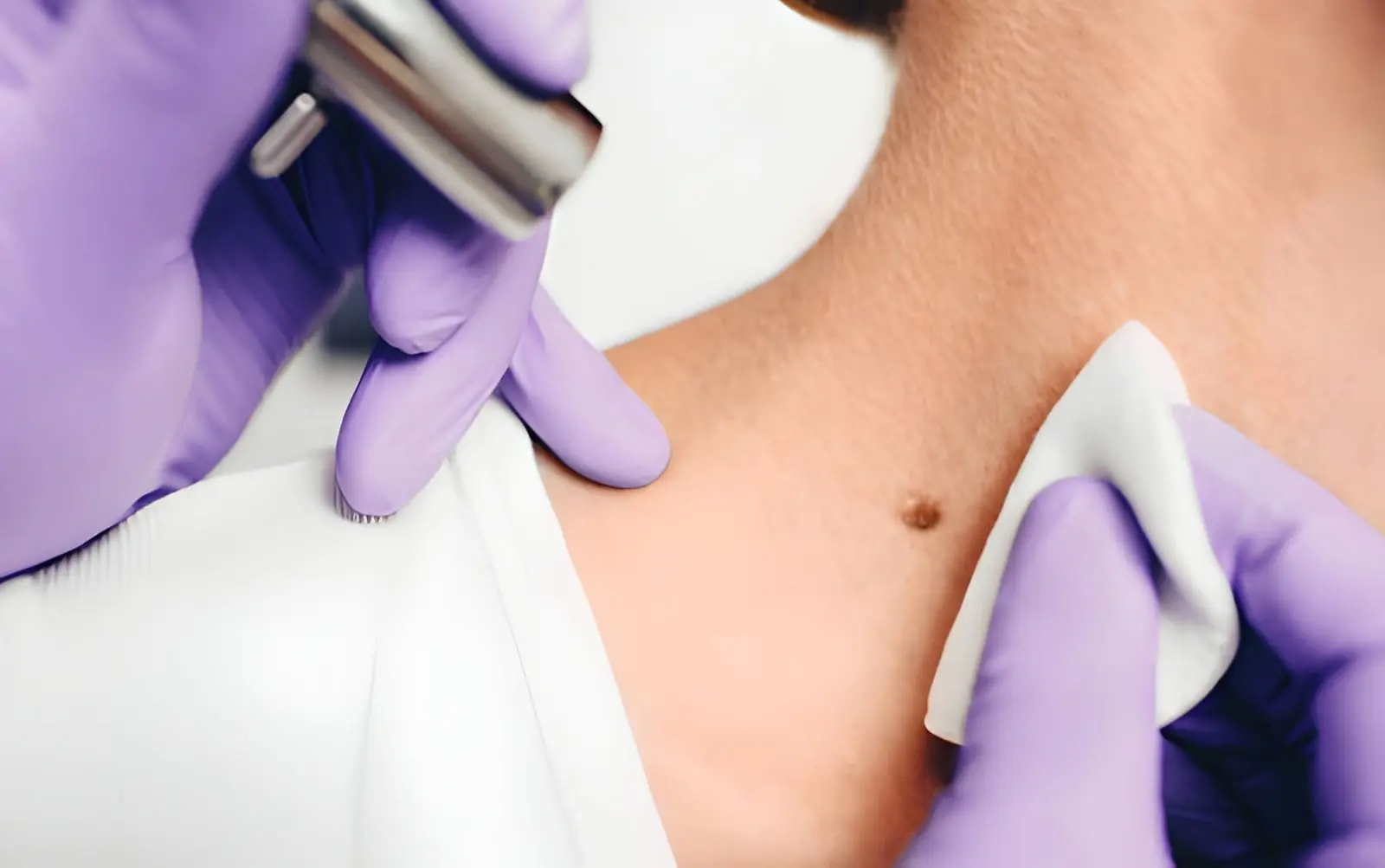
When should you consider removing a mole?
You may want treatment because a mole:
- bothers you cosmetically
- catches on clothing or jewellery
- gets irritated while shaving
- sits on a highly visible area
- has changed in appearance
- repeatedly becomes uncomfortable
But there is an important difference between removing a mole because you dislike it and removing one because your dermatologist wants to investigate it.
Watch for changes such as asymmetry, irregular borders, uneven colour, increasing diameter, or evolution over time. New or changing moles deserve professional assessment rather than home treatment.
How does a dermatologist decide the right treatment?
There is no single “best” mole removal procedure for everyone.
During your consultation, the dermatologist may consider:
What is assessed | Why it matters |
Mole size | Larger lesions may need a different approach |
Raised or flat appearance | The surface and depth influence treatment |
Location | Facial and highly visible areas need careful planning |
Colour and structure | Unusual features may require further assessment |
Number of moles | Multiple lesions can change the treatment plan |
Previous changes | A changing mole should not be treated as a simple cosmetic concern |
Your skin and healing history | This can influence scar expectations |
This is one area where we recommend asking “Why is this method suitable for my mole?” rather than choosing a procedure simply because it is advertised as the latest option.
What are the mole removal treatment options?
Depending on the mole, a dermatologist may consider laser treatment, shave removal, surgical excision, or other techniques. Apollo Hospitals, for example, lists surgical excision, laser removal, and shave excision among treatment approaches for moles.
Laser mole removal
Laser treatment may be considered for selected moles, particularly when the dermatologist determines that it is appropriate for the lesion. However, laser is not automatically the best choice for every mole. If there is concern about the mole’s nature, your dermatologist may recommend another approach that allows tissue to be examined.
Surgical excision
With excision, the mole is removed surgically. This can be particularly relevant when complete removal and tissue examination are important.
The trade-off is that surgery can involve sutures and a visible scar, although the final appearance depends on factors such as the lesion, location, wound care, and individual healing.
Shave removal
A dermatologist may use a shave technique for selected raised lesions. Whether this is appropriate depends on the mole itself.
Other techniques
Some clinics also offer radiofrequency, electrocautery, or cryotherapy for selected lesions. The important point is not to choose a method from a price list alone. The diagnosis and suitability should come first.
How much does mole removal cost in Bangalore?
There is no single fixed price for mole removal cost in Bangalore.
Current online estimates vary considerably. For example, one Bangalore dermatology clinic lists approximately ₹2,000–₹15,000 per mole depending on the technique and other factors, while Medicover lists an estimated Bengaluru laser-removal range of ₹3,000–₹24,000. These are published estimates, not a guaranteed Kliaro price.
Your final quotation can depend on:
- number of moles
- size and depth
- treatment method
- location on the body
- consultation and follow-up
- whether diagnostic testing is required
So if you see a very low advertised price, ask what it actually includes.
What happens during a mole removal procedure?
Your appointment will usually begin with an examination. The dermatologist first evaluates the mole and discusses your reason for removal. If the lesion appears suitable for cosmetic removal, the doctor can explain the available options and expected outcome.
The procedure itself depends on the selected technique.
You should also receive instructions about wound care, sun protection and follow-up.
Do not pick, cut, or burn a mole yourself. DIY removal can cause infection, bleeding, scarring, and may delay appropriate diagnosis.
How long does recovery take?
Recovery varies according to the technique and the size and location of the treated area.
A small superficial procedure may involve relatively little downtime, while surgical removal can require more wound care and sometimes stitches. One Bangalore clinic currently states that healing commonly takes around 7–10 days, although individual recovery can differ.
Your dermatologist should tell you exactly how to clean and protect the area.
During recovery, remember:
- Keep the treated area clean as instructed.
- Avoid scratching or picking the site.
- Follow dressing instructions.
- Protect healing skin from unnecessary sun exposure.
- Contact your doctor if you notice concerning symptoms.
Can mole removal leave a scar?
Yes, any procedure that removes tissue can leave some degree of marking or scarring.
The final appearance depends on the removal technique, mole characteristics, body location, and your individual healing response.
That is why “scar-free mole removal” should make you cautious. A better question is:
“What type of mark or scar should I realistically expect in my case?”
Ask your dermatologist before treatment rather than relying only on before-and-after photographs.
What should you ask before booking?
Take these questions with you to your consultation:
- Does this mole need removal, or should it be monitored?
- Which procedure is suitable for my mole?
- Why is that method better for my particular case?
- Will the removed tissue need laboratory examination?
- What type of scar should I expect?
- How long will I need wound care?
- When can I return to work or normal activities?
- Could the mole come back?
- What is included in the quoted cost?
- What warning signs should make me contact the clinic?
These questions can help you compare clinics on more than price.
Why choosing the right dermatologist matters
Mole removal is not simply about making a visible spot disappear.
A good consultation should begin with identifying what you are dealing with, followed by a discussion of the safest suitable treatment. Some Bangalore clinics specifically highlight dermatologist assessment before selecting a removal technique.
At Kliaro Derma Clinic, you can discuss your concern with a dermatologist and understand whether removal is appropriate for your particular mole before deciding on treatment.
Conclusion
If you are searching for mole removal in Bangalore, don’t make the decision based only on the lowest price or the promise of a scar-free result.
First, find out what type of mole you have, whether it needs removal, which technique is appropriate, and what recovery will look like for you.
That short consultation can make your treatment decision much clearer—and much more informed.
Frequently Asked Questions
Most procedures use local anaesthesia or another method to keep discomfort manageable. Your experience depends on the technique and treated area.
No. Avoid cutting, burning, or applying unverified chemical products to a mole. Professional assessment is safer.
No. The dermatologist needs to assess the mole first. Laser may be unsuitable when the lesion requires a different treatment or further examination.
It can happen in some cases, depending on the lesion and removal technique. Your dermatologist can explain the likelihood for your particular mole.
Seek medical assessment if you notice significant changes in size, shape, or colour, an irregular border, persistent bleeding, pain, or other unusual changes.